
Epigenetics and the Human Soul (in the Spirit of Erich Fromm)
Red Thread
The human soul, as Erich Fromm saw it, is not a metaphysical mystery but the dialectical essence of being: love and fear, freedom and dependence, creation and destruction. Epigenetics reveals how these opposing forces leave molecular traces. The dialectic of the soul and the biology of gene expression mirror each other.
Essay
Philosophers once spoke of the soul as immaterial, beyond biology. Erich Fromm broke with this. For him, the soul was dialectical: a space of contradictions that defines human existence. The tension between love and aggression, freedom and conformity, joy and despair — these were not errors to be eliminated but the very conditions of being human.
Epigenetics adds a new lens. What Fromm described in psychological and ethical terms can be seen in biology as epigenetic inscriptions of lived experience. The soul’s contradictions are mirrored by the genome’s plasticity.
- Love, care, and trust → inscribe resilience through oxytocin pathways, balanced methylation of stress genes, and strengthened synaptic plasticity.
- Freedom and creativity → activate BDNF and plasticity genes, keeping the brain young, flexible, and open.
- Fear, domination, and humiliation → leave scars through hypermethylation of resilience genes and overexpression of MAO, feeding chronic inflammation.
- Shame and alienation → suppress oxytocin and parasympathetic balance, reducing our capacity for resonance.
In this sense, the soul’s dialectics are not separate from biology. They are embodied. Every lived tension — between creation and destruction, love and hate — is translated into molecular rhythms.
Fromm insisted that the true task of human beings was to nurture the positive dialectics: love instead of hate, freedom instead of submission, joy instead of despair. Epigenetics confirms: these choices are not only ethical but biological. They shape not only society, but also the cells of our children and grandchildren.
Case Vignette
Daniel, raised in an environment of trust and encouragement, shows resilience under pressure. His cortisol response is sharp but short, his recovery quick. Epigenetic testing shows lower methylation of stress-axis genes and higher expression of plasticity genes.
Mara, raised in constant criticism and control, carries an opposite imprint. Her stress genes are hypermethylated, her MAO expression higher, her resilience blunted. Her “soul,” in Fromm’s sense, bears the scars of alienation — and so does her biology.
Info-Box — Dialectical Soul and Epigenetic Counterparts
- Love / Care ↔ Oxytocin pathways, stress resilience, BDNF.
- Creativity / Freedom ↔ Plasticity genes, neurogenesis, balanced methylation.
- Fear / Domination ↔ HPA overdrive, MAO overexpression, ROS storms.
- Shame / Alienation ↔ Reduced oxytocin, impaired vagal tone, trauma marks.
Takeaways
- Erich Fromm’s concept of the dialectical soul resonates with modern epigenetics.
- Positive Uremotions (love, joy, trust, creativity) are biologically resilience factors.
- Negative Uremotions (fear, shame, domination) leave molecular scars.
- The soul is not outside biology: it is its dialectical echo, inscribed in methylation patterns and neuroplasticity.
- Nurturing the human soul means nurturing the epigenome — for ourselves and generations to come.
Eduard Rappold
Note: This information is provided for educational purposes only and does not replace professional medical advice. Always consult qualified healthcare professionals for medical concerns.
Copyright © Eduard Rappold 2025
http://nugenis.eu/shop
NUGENIS specializes in epigenetically active nutritional supplements.
Eduard Rappold
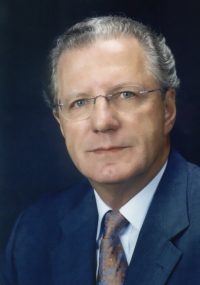
Eduard Rappold ist Autor, Unternehmer und als Arzt wissenschaftlicher Vermittler im Bereich Epigenetik und Präventionsmedizin. Im Zentrum seiner Arbeit steht die Frage, wie Umwelt, Verhalten und biografische Erfahrungen die Regulation unserer Gene beeinflussen – und welche Konsequenzen sich daraus für Gesundheit, Alterungsprozesse und chronische Erkrankungen ergeben. Sein Ansatz verbindet: aktuelle Erkenntnisse der Epigenetik neurobiologische Stressforschung mitochondriale und metabolische Regulation präventive und lebensstilbasierte Medizin Als Betreiber der Plattform epigenetik.at macht er komplexe wissenschaftliche Zusammenhänge für ein breites Publikum zugänglich. Dabei liegt der Fokus auf einer klaren, verständlichen Darstellung ohne Vereinfachung der Inhalte. Ein besonderer Schwerpunkt seiner Arbeit ist die Rolle von chronischem Stress als zentralem biologischen Faktor für Dysregulation, beschleunigtes Altern und Krankheitsentstehung. Eduard Rappold ist zudem Co-Autor einer wissenschaftlichen Studie zur Rolle von Antioxidantien und genetischen Faktoren bei neurodegenerativen Erkrankungen, insbesondere Alzheimer.