
The Brain’s Epigenetic Story: How Experience Shapes Memory
The Brain’s Epigenetic Story
Guiding Question
How does the brain store experiences as epigenetic marks—shaping memory, emotion, and vulnerability to disease?
The Red Thread
The brain is both hardware and storybook. Neurons do not change their DNA, but their epigenetic landscape is constantly rewritten by learning, stress, trauma, love, and creativity. This molecular plasticity explains resilience, mental illness, and neurodegeneration.
- Memory is written in synapses.
- Experience engraves marks in chromatin.
Case Vignette — “Trauma and Renewal”
Sophie, 29, survived early childhood neglect. As an adult, she struggles with anxiety but also shows remarkable resilience after therapy and mindfulness practice.
Under the hood:
- Early trauma → hypermethylation of NR3C1 (stress receptor).
- Reduced BDNF acetylation → impaired neuroplasticity.
- Therapy + meditation → gradual restoration of BDNF and stress gene balance.
Lesson: The brain carries scars, but it can also heal epigenetically.
Info-Box — Epigenetics of the Brain
- DNA methylation: regulates memory formation and emotional tone.
- Histone acetylation: supports synaptic plasticity and learning.
- microRNAs: modulate neurotransmitter systems.
- Neuroinflammation: stress leaves epigenetic scars in glia.
- Neurodegeneration: drift in protective genes accelerates Alzheimer’s, Parkinson’s.
The Brain Under Experience
- Learning: histone acetylation strengthens memory circuits.
- Trauma: persistent FKBP5 and NR3C1 methylation → PTSD risk.
- Addiction: drugs rewire dopamine circuits via chromatin remodeling.
- Love and bonding: oxytocin and dopamine receptors tuned by experience.
- Aging: epigenetic clocks accelerate in hippocampus under chronic stress.
Info-Box — Protective Inputs for the Brain
- Enriched environment: play, art, music, novelty → neuroplastic epigenetics.
- Exercise: increases BDNF acetylation.
- Mindfulness/meditation: normalizes cortisol gene methylation.
- Nutrition: polyphenols (curcumin, EGCG), omega-3s → neuroprotective marks.
- Social bonding: stabilizes oxytocin receptor methylation.
Practical Levers — Caring for the Epigenetic Brain
- Stay curious: learning, reading, creativity.
- Move daily: aerobic + coordination exercises.
- Practice mindfulness, breathwork, meditation.
- Eat colorful, polyphenol- and omega-3-rich foods.
- Maintain strong social ties and emotional bonds.
- Sleep 7–9 hours to consolidate memory and restore circuits.
Takeaways
- The brain is an epigenetic diary of experience.
- Trauma and stress engrave scars—but healing can rewrite them.
- Memory, resilience, and vulnerability all flow through epigenetic plasticity.
- To care for the brain is to nourish its capacity for renewal.
Eduard Rappold
Note: This information is provided for educational purposes only and does not replace professional medical advice. Always consult qualified healthcare professionals for medical concerns.
Copyright © Eduard Rappold 2025
http://nugenis.eu/shop
NUGENIS specializes in epigenetically active nutritional supplements.
Eduard Rappold
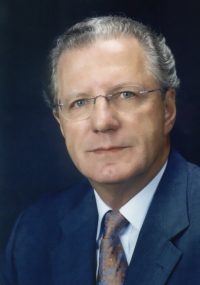
Eduard Rappold ist Autor, Unternehmer und als Arzt wissenschaftlicher Vermittler im Bereich Epigenetik und Präventionsmedizin. Im Zentrum seiner Arbeit steht die Frage, wie Umwelt, Verhalten und biografische Erfahrungen die Regulation unserer Gene beeinflussen – und welche Konsequenzen sich daraus für Gesundheit, Alterungsprozesse und chronische Erkrankungen ergeben. Sein Ansatz verbindet: aktuelle Erkenntnisse der Epigenetik neurobiologische Stressforschung mitochondriale und metabolische Regulation präventive und lebensstilbasierte Medizin Als Betreiber der Plattform epigenetik.at macht er komplexe wissenschaftliche Zusammenhänge für ein breites Publikum zugänglich. Dabei liegt der Fokus auf einer klaren, verständlichen Darstellung ohne Vereinfachung der Inhalte. Ein besonderer Schwerpunkt seiner Arbeit ist die Rolle von chronischem Stress als zentralem biologischen Faktor für Dysregulation, beschleunigtes Altern und Krankheitsentstehung. Eduard Rappold ist zudem Co-Autor einer wissenschaftlichen Studie zur Rolle von Antioxidantien und genetischen Faktoren bei neurodegenerativen Erkrankungen, insbesondere Alzheimer.